

Let’s be honest, the digital world can feel like a collection of walled gardens. We’re all used to the seamless experience of AirDrop between Apple devices – sending photos, files, and links with a flick of the wrist. But what happens when you need to share something with an Android user? Suddenly, things get clunky.
That’s where the dream of Quick Share and AirDrop compatibility comes in. It’s not just about convenience; it’s about breaking down barriers and creating a more unified and user-friendly experience. What fascinates me is the ‘why’ behind this – why haven’t Apple and Google, two tech giants, already solved this problem?
The Walled Garden vs. Open Ecosystem Debate
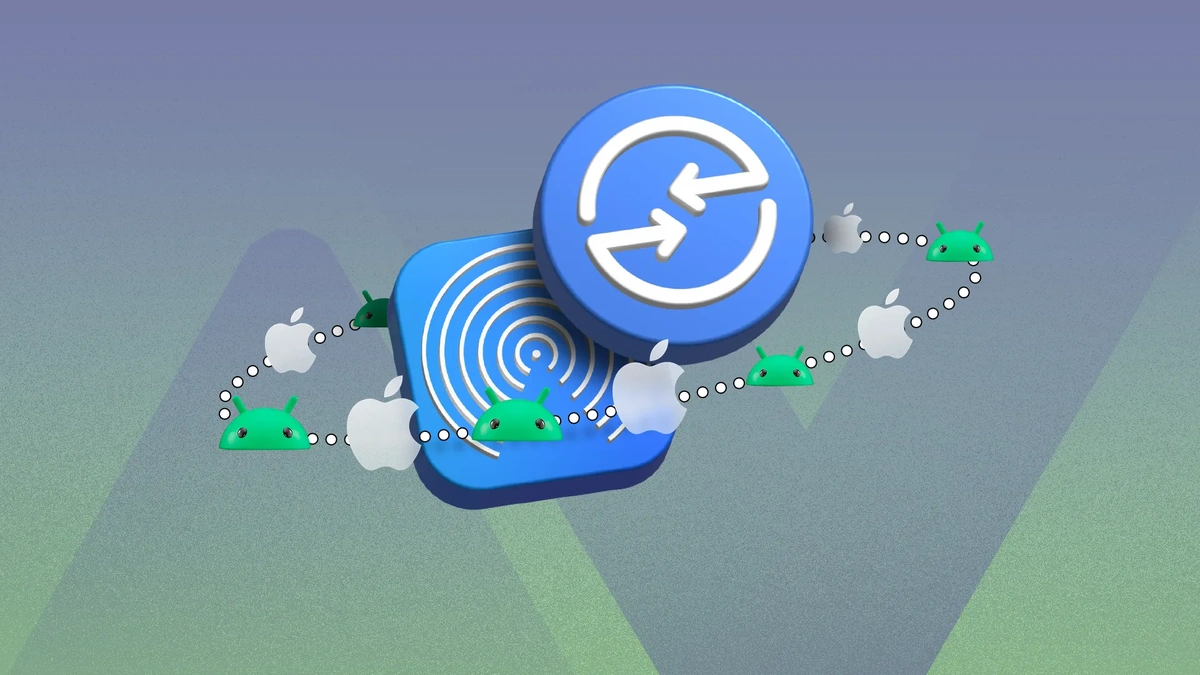
Apple’s AirDrop is a prime example of a “walled garden” approach. It works flawlessly within the Apple ecosystem, incentivizing users to stay within that ecosystem. This creates a powerful lock-in effect. But, this also excludes anyone outside of the Apple universe. Think of it like this: you can only share your delicious homemade samosas with people inside your apartment complex, and those outside are left drooling. It’s a bit unfair, isn’t it?
Google, on the other hand, has traditionally favored a more open ecosystem. Quick Share , initially known as Nearby Share, is their attempt at creating a similar seamless sharing experience across Android devices. And recently Google has updated the UI of Quick Share to make it more like AirDrop. But here’s the thing: it doesn’t natively talk to AirDrop. This is where the potential for collaboration – and the current frustration – lies.
The question is: why can’t these two systems just work together ? The answer is complex, involving business strategy, competitive advantages, and, of course, good old-fashioned tech rivalry. But the biggest loser in this scenario is the user – you and me. This is especially true in a place like India, where Android and iOS devices coexist in a diverse marketplace. The inability to easily transfer files between these devices is a daily annoyance for many.
How Could Apple and Google Unite? (The “How” Angle)
While a complete merger of AirDrop and Quick Share might be a pipe dream, there are realistic pathways to achieve better compatibility. Here’s the thing – it wouldn’t even need to be that complicated, and I see a few routes they could take:
- Adopting a Universal Standard: This is the most idealistic approach. Both companies could agree on a common file-sharing protocol. Think of it like agreeing on a universal language. All devices, regardless of the operating system, could seamlessly communicate. However, this would require significant compromise and a willingness to relinquish some control.
- Developing Bridge Apps: A more pragmatic solution would be the development of official “bridge” apps by Apple and Google. These apps would act as translators between AirDrop and Quick Share AirDrop. Imagine an app on your iPhone that can directly detect and communicate with Quick Share enabled Android devices, and vice versa.
- Third-Party Solutions: While not ideal, third-party apps can offer a temporary solution. But let’s be honest, relying on third-party apps can be risky from a security and reliability standpoint. I would be very careful about granting file access to unknown apps.
I’ve personally used third-party apps and have had mixed experience with large file transfers. As per the latest Google support , Quick Share has improved significantly over time.
The Emotional Toll of Tech Incompatibility
Think about that time you tried to share a high-resolution video with a friend who has an Android phone. The frustration of dealing with slow transfer speeds, file size limitations, or compatibility issues can be surprisingly infuriating. It’s a small thing, yes, but these small things add up. It’s the feeling of being slightly inconvenienced, of your technology not quite working for you, but against you.
Or consider the student who needs to quickly share notes with classmates using different operating systems. The extra steps involved – emailing, using cloud storage, or resorting to less secure methods – waste precious time and energy. It is a matter of wasted opportunity when the file transfer speeds could be much faster with Android file sharing or iOS file sharing systems.
This incompatibility isn’t just a technical issue; it’s a social one. It creates subtle divisions and reinforces the feeling that we’re living in fragmented digital worlds. And let’s be real, sharing should be simple, effortless, and inclusive – regardless of the device you use.
LSI Keywords and the Future of Sharing
The dream of seamless cross-platform sharing isn’t just about convenience. It’s about creating a more connected and collaborative world. And LSI keywords like cross-platform compatibility , device interoperability , and unified sharing experience highlight the growing demand for this kind of seamlessness.
I initially thought this was straightforward, but then I realized the underlying complexities, which include the challenge of data transfer between devices and the politics of different tech companies. The push for wireless file sharing across all platforms is something the users are clearly demanding, and it is something for both Android devices and Apple devices to consider.
As technology evolves, the need for these systems to work together will only become more urgent. The future of sharing should be about inclusivity, not exclusivity. According to recent trends, the user interface for both services should be similar to provide the same user experience. Check out the recent iQOO launch date for an idea of how other products are being updated.
Breaking Down the Barriers for Easy File Sharing
Ultimately, Apple and Google uniting on Quick Share AirDrop isn’t just about technology; it’s about user experience. It’s about acknowledging that we live in a multi-device world and that sharing should be seamless, regardless of the brand or operating system you choose. It’s about creating a more inclusive and collaborative digital environment for everyone, especially in a diverse market like India. And it’s about time these tech giants put aside their differences and prioritized the needs of their users. Or it may be time to find an alternative.
Consider this: The alternative for users is to select a file transfer system that works on any device. But, this means selecting a third-party alternative that is not native to your device. Thus, requiring a bit more technical know-how. Be sure to check out oneplus specs price .
FAQ Section
What exactly is Quick Share?
Quick Share is Google’s answer to AirDrop, allowing for easy file sharing between Android devices and, potentially, other platforms.
Will Apple ever adopt Quick Share, or vice versa?
That’s the million-dollar question! While there’s no official word, user demand and market pressure might eventually push them towards greater compatibility.
Are there any third-party apps that bridge the gap between AirDrop and Quick Share?
Yes, but use them with caution. Make sure they’re reputable and prioritize your data security.
What if I have an older Android device? Can I still use Quick Share?
Quick Share is generally available on Android 6.0 and later. Check your device’s settings for compatibility.
Why is this compatibility so important in India?
India’s diverse mobile landscape, with a mix of Android and iOS users, makes seamless cross-platform sharing essential for everyday communication and collaboration.
Is Quick Share secure?
Quick Share uses encryption to protect your data during transfers, but always be mindful of who you’re sharing with.