


Let’s be real, we’ve all been there. Hyped up about a new phone launch, especially when it comes to the camera. The Oppo Find X9 Pro camera, in particular, has been generating a lot of buzz. But is all that shimmer and shine really gold? That’s the question we’re diving into today. It’s not just about pointing fingers; it’s about understanding how manufacturers market their camera tech and what to look out for as a savvy consumer in India.
The Megapixel Myth and Marketing Hype
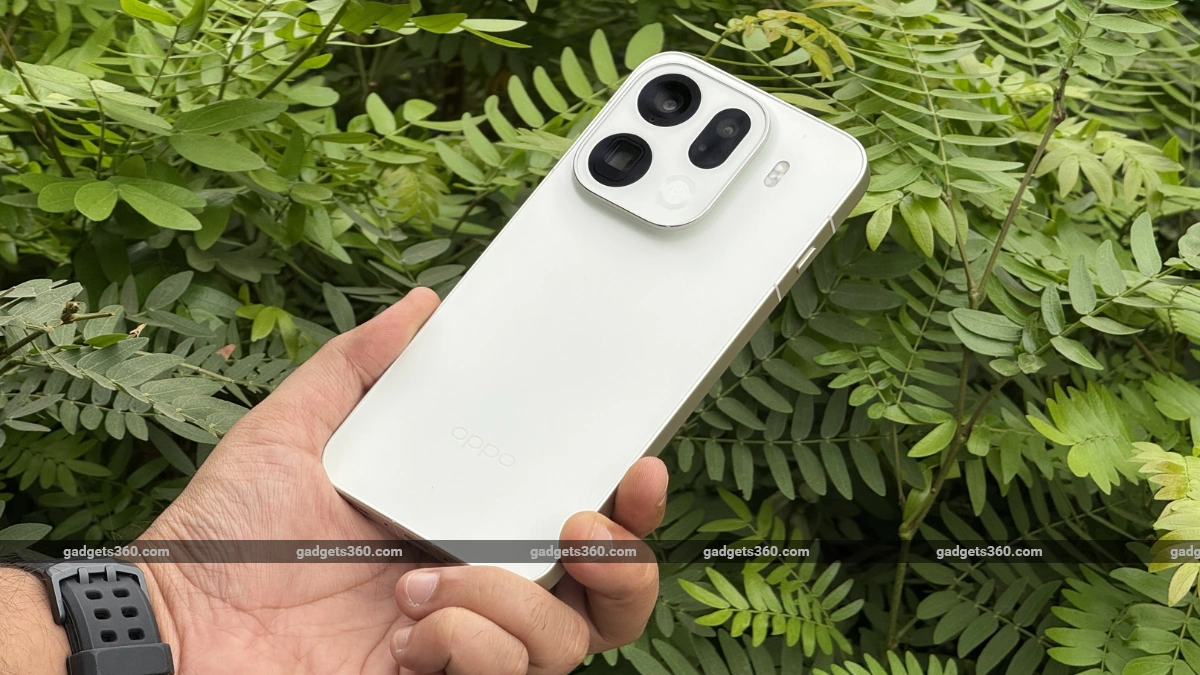
Remember the megapixel wars? Seemed like every phone was packing more and more megapixels, and somehow that translated to better photos. But here’s the thing: megapixels are just one piece of the puzzle. A higher megapixel count doesn’t automatically equal superior image quality. Sensor size, lens quality, and image processing algorithms play equally vital roles.
What I’ve noticed is that some marketing campaigns heavily emphasize the megapixel count, creating the illusion of a groundbreaking camera. It’s a simple metric that’s easy to understand, but it’s also easily misleading. For instance, a phone might boast a 108MP camera, but if the sensor is small and the processing is subpar, the images might not be significantly better than a well-optimized 48MP camera. We need to look beyond just the numbers and assess the total imaging package. A common trick is to use camera sensor size as the defining metric, though this, too, has its limits.
Decoding the Zoom | Optical vs. Digital
Zoom capabilities are another battleground. You’ll often see terms like “100x zoom” thrown around, which sounds incredibly impressive. But what kind of zoom are we talking about? There’s optical zoom, which uses the physical movement of lenses to magnify the image, and then there’s digital zoom, which essentially crops and enlarges the image, often resulting in a loss of detail. This is particularly important as advancements in mobile photography continue.
Marketing materials don’t always clearly distinguish between optical and digital zoom. A phone might advertise 100x zoom, but only offer a small amount of optical zoom, with the rest being achieved through digital means. The difference in image quality at higher zoom levels is significant. So, when evaluating the Oppo Find X9 Pro’s telephoto lens (or any phone’s zoom capabilities), dig deeper and find out what the true optical zoom range is. As Wikipedia notes, digital zoom is essentially just cropping a photo.
The AI Advantage… Or Is It?
Artificial intelligence (AI) has revolutionized smartphone photography. AI algorithms can enhance colors, improve dynamic range, and even identify and optimize scenes automatically. However, there’s a fine line between AI enhancement and artificial manipulation. I find it interesting when marketing materials claim AI scene recognition can drastically improve image quality.
Sometimes, AI processing can go overboard, resulting in images that look unnatural or overly processed. Skin tones can appear smoothed out, colors can be oversaturated, and details can be lost in the pursuit of a “perfect” shot. It’s crucial to understand how much AI processing is being applied and whether it aligns with your personal preferences. Do you want a more natural-looking photo, or are you okay with a heavily processed image that might not accurately represent the scene? To be fair, advancements in computational photography are making AI-driven adjustments more and more subtle and natural-looking.
The Importance of Raw Samples and Independent Reviews
Here’s the thing: glossy marketing materials and carefully curated sample photos only tell one side of the story. To get a truly accurate picture of a phone’s camera performance, you need to see raw, unedited samples and read independent reviews from trusted sources. Look for reviews that evaluate camera performance in a variety of lighting conditions and shooting scenarios. Check out comparisons between different phones to see how the Oppo Find X9 Pro’s camera stacks up against the competition. Don’t just take the manufacturer’s word for it; do your own research.
A common mistake I see people make is relying solely on the manufacturer’s promotional material. As per the guidelines mentioned in the information bulletin of many a product, manufacturers often highlight only the best possible results. I’ve found that looking at user forums and independent tech blogs can provide a much more balanced perspective. Speaking of research, you should also look into the Oppo Find X9 Pro’s image stabilization, since shaky videos are a no-go.
Beyond the Specs | User Experience Matters
Ultimately, the best camera is the one that you enjoy using. A phone might have the most impressive specs on paper, but if the camera app is clunky or the user interface is unintuitive, you’re less likely to use it to its full potential. Consider the overall user experience when evaluating a phone’s camera. Is the camera app easy to navigate? Are the controls responsive? Does it offer the features and settings that you need? The link between hardware and software is often understated. Check outthe user experiencefor different brands; you might be surprised at the variation.
I initially thought this was straightforward, but then I realized how subjective it can be. What works for one person might not work for another. It is important to find a phone that fits your style. Another important feature to explore is the Oppo Find X9 Pro’s low light performance. This is something that can greatly impact your experience.
Final Thoughts | Be a Savvy Consumer
So, there you have it. Understanding the nuances of camera marketing can help you make more informed decisions and avoid falling for misleading advertising. Don’t just focus on the specs; consider the overall imaging package, seek out independent reviews, and prioritize the user experience. By being a savvy consumer, you can find a phone with a camera that truly meets your needs and expectations.
Remember, the goal isn’t to find the “perfect” camera (because such a thing probably doesn’t exist). It’s about finding a camera that captures the moments that matter to you, in a way that you enjoy. Happy shooting! Ultimately, the decision lies with the consumer, and it pays to be informed. Don’t forget to compare prices across platforms; you might even find a discount!
FAQ Section
What does the term “misleading advertising” mean in the context of smartphone cameras?
Misleading advertising occurs when manufacturers exaggerate or misrepresent the capabilities of their phone’s camera, often focusing on specific features while downplaying limitations or using technical jargon that can be misunderstood by the average consumer.
How can I identify whether a phone’s camera marketing is misleading?
Look for inconsistencies between advertised features and real-world performance. Read independent reviews, compare raw image samples, and be wary of exaggerated claims or focusing on specs without providing context.
What should I prioritize when evaluating a smartphone camera?
Consider the overall imaging package: sensor size, lens quality, image processing, user experience, and low-light performance. Don’t focus solely on megapixels or zoom levels.
Is it possible to tell if an image has been overly processed by AI?
Yes, look for unnatural skin tones, oversaturated colors, and a loss of fine details. Compare images taken with and without AI enhancement to see the difference.
What if I forget the specifications?
It’s ok to rely on independent reviews that provide comprehensive analysis and comparisons for various smartphone cameras.
Where can I find reliable sources of camera samples and reviews?
Look for tech blogs, online forums, and YouTube channels that provide in-depth camera reviews and comparisons, along with raw, unedited image samples.