
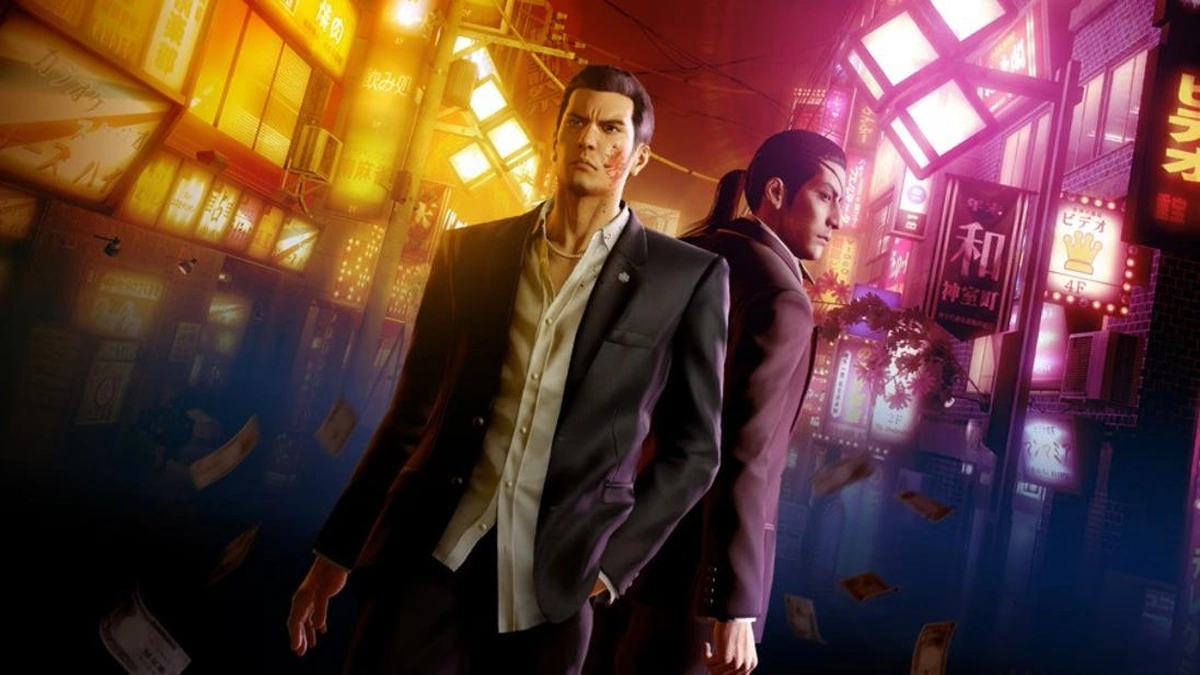
Okay, let’s be honest. When you hear ” Yakuza“, what springs to mind? Probably some Hollywood-ized image of tattooed tough guys running amok. But here’s the thing: that’s a massive oversimplification. The Yakuza, or Japanese organized crime syndicates, are a complex part of Japan’s social fabric, steeped in tradition, ritual, and a surprising amount of societal influence – past and present. I initially thought this was just another crime story, but then I started digging…and whoa. It’s way deeper.
The “Why” Behind the Image: More Than Just Crime
So, why do the Yakuza capture our imagination? It’s not just about the violence, though that’s undoubtedly part of it. The fascination stems from their intricate code of honor (ninkyo), their quasi-legitimate status, and the glimpses they offer into a hidden world. Let’s rephrase that for clarity: the Yakuza’s allure lies in their blend of ruthlessness and tradition.
Here’s the thing that most people don’t understand: The Yakuza’s influence on Japanese society is not just about fear, it is about how they’ve historically operated in the gray areas where law enforcement is absent or ineffective. After major disasters, for instance, the Yakuza have often been quicker to provide aid than the government. This creates a complicated relationship of dependence and acceptance.
According to Wikipedia , their origin dates back to the Edo period, with roots in gambling rings and street vendors. What fascinates me is how these humble beginnings evolved into a sprawling network of power and influence.
Decoding the Symbols: Tattoos, Rituals, and Hierarchy
Think of those elaborate full-body tattoos, or irezumi. They aren’t just random designs; they’re visual representations of the individual’s history, affiliations, and values within the Yakuza hierarchy. The process of getting these tattoos is intensely painful and time-consuming, a testament to the person’s commitment.
But it’s not just tattoos. Rituals like sakazuki (sake sharing) cement bonds and establish a clear pecking order. Each ritual has a deep meaning and reflects the Yakuza traditional values.
And let’s not forget the fingers. The ritual of yubitsume (finger cutting) as a form of apology or atonement is a stark reminder of the consequences of violating the Yakuza code. A common mistake I see people make is to think of these actions as barbaric without understanding the context of honor and obligation within their structure.
The Modern Yakuza: Adapting to Changing Times
So, where does the modern Yakuza stand? The Japanese government has been cracking down on organized crime, enacting stricter laws and regulations aimed at weakening their influence. This has led to a decline in membership and a shift in their activities. A common mistake I see people make is assuming that the Yakuza is a monolithic entity. In reality, it is a collection of different gangs. Some gangs are thriving, others are diminishing.
But here’s where it gets interesting. They’re adapting. Moving into white-collar crime, cybercrime, and even legitimate businesses. Let me rephrase that for clarity: the Yakuza are evolving to survive in a changing world. According to the Japan Times , this move into legitimate business makes them more difficult to police.
Beyond the Headlines: The Human Cost
It’s easy to get caught up in the romanticized image of the Yakuza, but let’s not forget the human cost. The violence, the exploitation, the impact on families and communities – it’s all too real. The one thing you absolutely must remember is that the Yakuza are not just characters in a movie; they are real people whose actions have profound consequences. And that reality is far from glamorous. Even the Yakuza members themselves are a victim of the system.
And, well, there’s the undeniable allure. Their strict codes of honor, however warped, and their deep-seated traditions, offer a glimpse into a world far removed from our own. It’s a dark world, to be sure, but a fascinating one nonetheless.
Remember that upgrade for the popular open-world game? Well, the Yakuza has its own update too – but not the kind you think. It’s a constant adaptation to survive. Speaking of upgrades, you can also check this out at ps2bioshub.com
The Future of the Yakuza: What’s Next?
So, what does the future hold for the Yakuza? It’s tough to say for sure. But one thing is clear: they’re not going away anytime soon. Their ability to adapt and evolve means they’ll likely continue to be a presence in Japanese society for years to come. The Japanese government’s crackdown on organized crime has had a major impact on membership. However, it may result in more underground activities.
I initially thought this was just about gangsters and tattoos, but it’s a reflection of larger societal forces, power structures, and the eternal struggle between order and chaos. What really hits home is how deeply intertwined the Yakuza are with the very fabric of Japan.
FAQ: Your Yakuza Questions Answered
Frequently Asked Questions
What are the main activities of the Yakuza today?
While traditional activities like gambling and protection rackets still exist, the modern Yakuza are increasingly involved in white-collar crime, cybercrime, and even legitimate businesses.
How does the Yakuza differ from other organized crime groups?
The Yakuza are unique in their semi-open existence and their adherence to a strict code of honor and tradition, setting them apart from other more clandestine organizations.
Is it dangerous for tourists to visit Japan because of the Yakuza?
Generally, no. The Yakuza tend to operate within their own circles, and tourists are unlikely to be directly affected by their activities.
Are all Yakuza members Japanese?
While the vast majority of Yakuza members are Japanese, there have been instances of foreign nationals joining the ranks, though this is relatively rare.
What is the current status of the Yakuza in Japan?
The Yakuza’s power and influence have diminished in recent years due to government crackdowns and changing social attitudes, but they remain a presence in Japanese society.
What is the relationship between Yakuza and law enforcement in Japan?
Despite being criminal organizations, the Yakuza have historically maintained a complex and sometimes tolerated relationship with law enforcement, though this has become increasingly strained in recent years.