

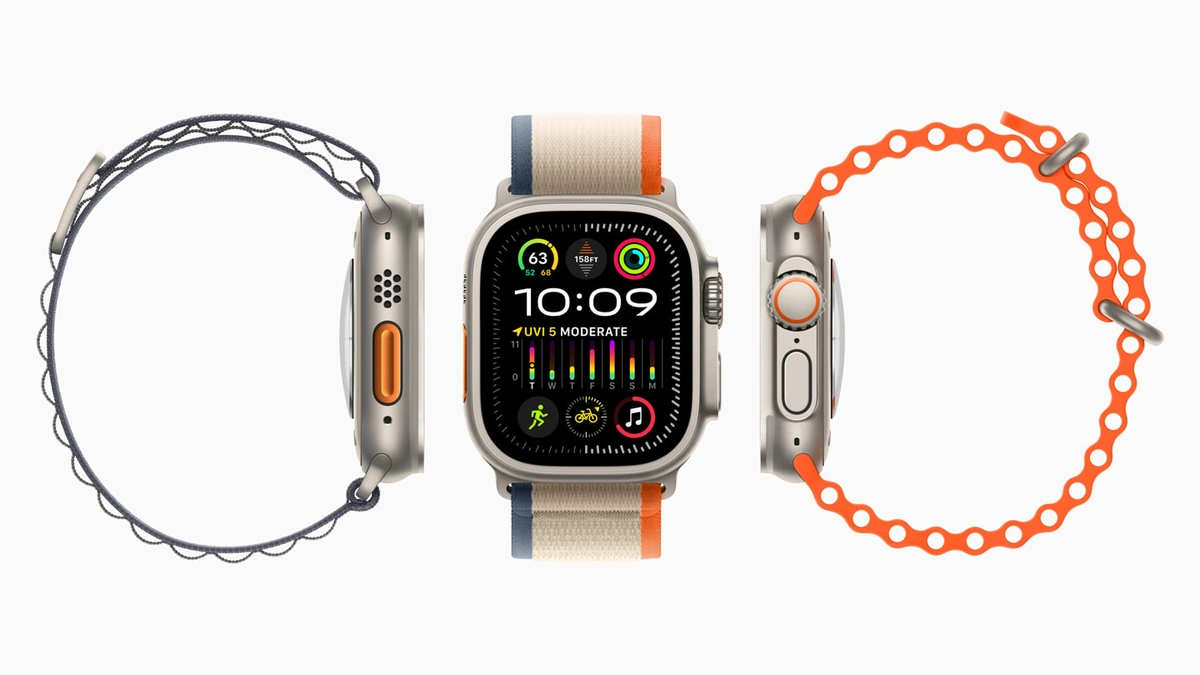
Okay, so the Apple Watch just leveled up again. This time, it’s not about fitness challenges or cute watch faces. It’s about something genuinely important: your health. Specifically, it’s now capable of sending high blood pressure alerts to Canadians. I initially thought, ‘Okay, cool feature,’ but then I realized the potential impact is HUGE. Think about it – early detection, proactive health management, and potentially life-saving interventions. Let’s dive into why this matters, how it works, and what it means for you.
Why This is a Game Changer
Let’s be honest, most of us don’t regularly check our blood pressure. Life gets in the way. But here’s the thing: hypertension (high blood pressure) is often called the “silent killer” because it often shows no symptoms until it’s too late. According to Heart & Stroke Foundation of Canada , high blood pressure affects millions of Canadians, significantly increasing the risk of heart disease, stroke, and kidney problems. And what fascinates me is that many don’t even know they have it! A wearable device like the Apple Watch , constantly monitoring and alerting you to potential issues, is a total paradigm shift.
This isn’t just about convenience; it’s about access. Think about rural communities or those with limited access to healthcare. The Apple Watch could provide a crucial early warning system, prompting individuals to seek medical attention sooner rather than later. It democratizes healthcare, bringing proactive monitoring directly to your wrist. The Apple Watch ECG app and irregular rhythm notification feature were already significant steps. Now, with the potential addition of blood pressure monitoring, the device becomes an even more comprehensive health tool.
How Does it Work? (And What Are the Limitations?)
So, how exactly does the Apple Watch send these alerts? Well, it’s not quite as simple as a built-in blood pressure cuff. Currently, the Apple Watch doesn’t directly measure blood pressure like a traditional monitor. Instead, it relies on algorithms and sensor data to detect patterns and anomalies that may indicate elevated blood pressure. It’s more of an early warning system than a precise diagnostic tool. However, the accuracy is improving with each iteration and new software update.
Here’s the catch: it’s crucial to understand that the Apple Watch is not a replacement for regular check-ups with your doctor. If you receive a high blood pressure alert, don’t panic, but don’t ignore it either. The correct action is to consult with your healthcare provider for a proper diagnosis and treatment plan. It’s important to note that factors like movement and even caffeine intake can impact readings, so contextual awareness is key. Always follow up with a validated blood pressure monitor for confirmation.
It’s expected that future Apple Watch models may incorporate more advanced sensors for direct blood pressure measurement, potentially using innovative technologies. Imagine a future where your Apple Watch can provide near-clinical-grade blood pressure readings on demand. That’s the direction we’re heading, and it’s pretty exciting. But, for now, understand the limitations and use the alerts as a trigger for further investigation, not as a definitive diagnosis. Consider the Samsung Galaxy Watch as an alternative.
What’s Next? Implications for Canadians
What I find truly intriguing is the potential for integration with the Canadian healthcare system. Imagine a future where your Apple Watch seamlessly shares blood pressure data with your doctor, allowing for remote monitoring and personalized treatment plans. This could be particularly beneficial for individuals managing chronic conditions like hypertension.
But, and this is a big ‘but,’ privacy concerns need to be addressed. Sharing sensitive health data requires robust security measures and transparent data usage policies. Canadians need to be confident that their information is protected and used responsibly. It is good to keep yourself aware of Canada’s privacy rights .
Beyond individual health, this technology could have significant implications for public health. Imagine the possibilities for population-level data analysis, identifying trends, and implementing targeted interventions to prevent cardiovascular disease. The Apple Watch could become a powerful tool for public health officials, helping to create a healthier Canada. It is an amazing way for health monitoring .
The Future of Wearable Health Tech
The Apple Watch is just one piece of a much larger puzzle. The entire wearable health tech industry is exploding with innovation. We’re seeing devices that can track everything from sleep patterns to blood glucose levels. The potential for personalized, proactive healthcare is immense. What is exciting is that the smartwatch market is constantly evolving.
But, as with any new technology, there are challenges. Accuracy, reliability, and data security are paramount. Regulatory frameworks need to keep pace with innovation to ensure that these devices are safe and effective. And, perhaps most importantly, we need to address the digital divide, ensuring that everyone has access to these potentially life-saving technologies. The possibilities with this health tech is endless.
Ultimately, the Apple Watch’s ability to send high blood pressure alerts to Canadians represents a significant step forward in proactive health management. It’s not a perfect solution, but it’s a powerful tool that can empower individuals to take control of their health and seek timely medical attention. And that, my friends, is something worth celebrating.
FAQ
Will this feature work on older Apple Watch models?
The availability of the high blood pressure alert feature may depend on the specific Apple Watch model and the version of watchOS installed. Check Apple’s website for compatibility details.
How accurate are the blood pressure alerts?
The Apple Watch’s alerts are not intended to be a substitute for professional medical advice. Consult your doctor for proper diagnosis and treatment. The alerts should be seen as an indicator.
What if I don’t have an Apple Watch? Are there alternatives?
Yes, there are other wearable devices and traditional blood pressure monitors available. Consult your healthcare provider for recommendations. Blood pressure readings can be tracked by a variety of devices.
What should I do if I get a high blood pressure alert?
Don’t panic. Schedule an appointment with your doctor to get your blood pressure checked and discuss any potential concerns.
Are there any privacy concerns with this feature?
As with any health-related data, privacy is a concern. Review Apple’s privacy policy to understand how your data is used and protected. Make sure you understand data protection regarding your wearable device .
Does this feature cost extra?
The high blood pressure alert feature is typically included as part of the Apple Watch’s software updates and does not usually require an additional subscription fee.